
Community Engagement
Please refer to our Community Stakeholders Communications Plan below.
The Community Stakeholders Communications Plan is a “living document.” It will be reviewed annually and updated as necessary during the course of the Health Study to reflect feedback from the community and Scientific Oversight Committee, and to respond to changing conditions (if warranted).
Community Stakeholders Communications Plan
See below for upcoming community events and opportunities to get involved.
Community Meetings
The UCLA Aliso Canyon Disaster Health Research Study Team is hosting a community meeting on November 18 to discuss clinical assessments, preliminary findings on indoor and outdoor air sampling, and more.

The UCLA Aliso Canyon Disaster Health Research Study Team is hosting a community meeting on May 13 to share preliminary findings on emergency department visits and how pollutants traveled during the disaster.

The UCLA Aliso Canyon Disaster Health Research Study Team is hosting a community meeting on November 14 to share preliminary findings on focus groups, characterizing extent of the gas blowout and methods for risk assessment.
The UCLA Aliso Canyon Disaster Health Research Study Team hosted a community meeting on February 20, 2024, to share preliminary findings from analyzing birth records.
The UCLA Aliso Canyon Disaster Health Research Study Team hosted a community meeting on November 14, 2023, to discuss and provide feedback on the identification of the disaster impact zone and selection of comparison communities.
The UCLA Aliso Canyon Disaster Health Research Study Team hosted community meetings on September 12, 2023 (Zoom) and September 14, 2023 (in-person) to introduce the study and study team, share goals and methods, talk about opportunities to get involved, and answer questions.
Community Updates
The Aliso Canyon Disaster Health Research Study Team shares a year-end update, including the launch of the Resident Health Survey and Clinical Assessments.
A new focus groups study by the Aliso Canyon Disaster Health Research Study Team reveals long-term mental health impacts.
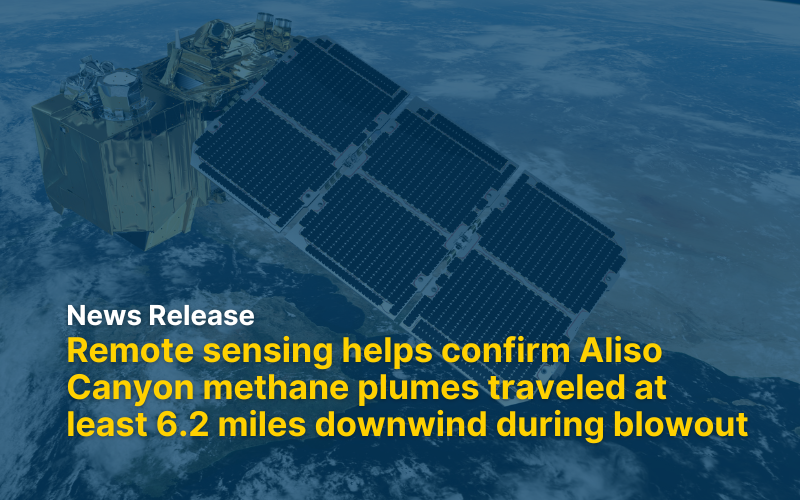
The Aliso Canyon Disaster Health Research Study Team used remote sensing to confirm methane plumes from the Aliso Canyon blowout traveled at least 6.2 miles downwind from the gas storage facility.
The UCLA Aliso Canyon Disaster Health Research Study Team is hosting a community meeting on November 18 to discuss clinical assessments, preliminary findings on indoor and outdoor air sampling, and more.
The Aliso Canyon Disaster Health Research Study Team shares a community letter with updates on new publications, study milestones, and upcoming opportunities for community participation.

The Aliso Canyon Disaster Health Research Study Team's first peer-reviewed study finds that pregnant women living near the Aliso Canyon gas blowout were more likely to have babies with low birth weight.
The UCLA Aliso Canyon Disaster Health Research Study Team is hosting a community meeting on May 13 to share preliminary findings on emergency department visits and how pollutants traveled during the disaster.

The Aliso Canyon Disaster Health Research Study Team provides a year-end update letter to the community to share progress and upcoming activities.
The UCLA Aliso Canyon Disaster Health Research Study Team is hosting a community meeting on November 14 to share preliminary findings on focus groups, characterizing extent of the gas blowout and methods for risk assessment.
UCLA Health features a story, entitled "Aliso Canyon gas blowout: UCLA to study health impacts of one of the worst environmental disasters in Southern California."
Community Opportunities to Participate

UCLA has completed conducting online focus groups about the Aliso Canyon Natural Gas Disaster. We heard from community members who lived through the disaster to better understand its impacts on health, well-being, and other aspects of community members’ lives.
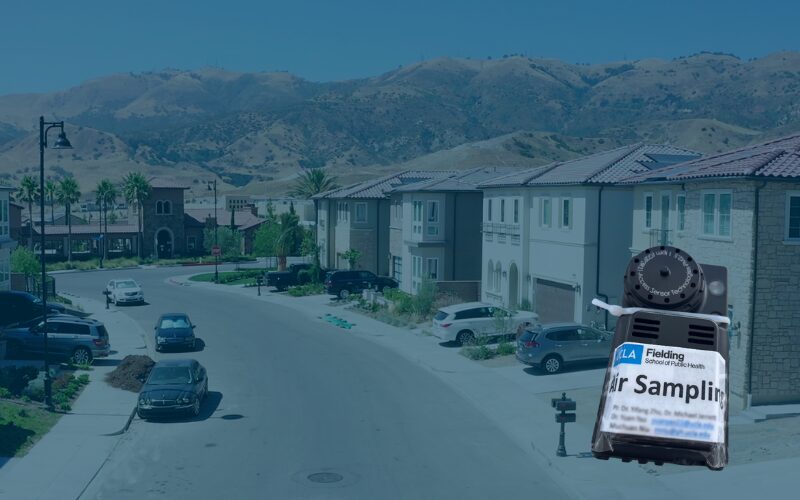
UCLA shares a new Indoor-Outdoor Air Sampling Study and invites participants to apply to be part of the study. Update: UCLA has completed recruitment for this study. Thank you for your interest.